WWII Comic Arts and Propaganda
Wartime Comic Strips
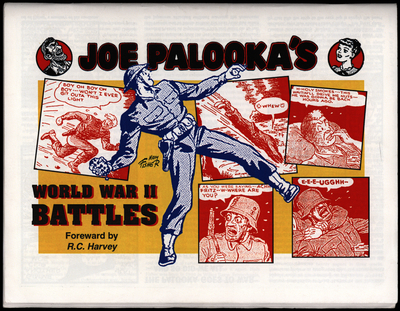
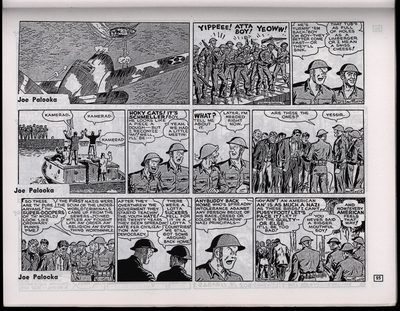
Joe Palooka’s World War II Battles
Upon the United States’ entry into World War II, many cartoonists focused their established comic strips on the war effort. Ham Fisher had been working on his comic strip Joe Palooka since 1930 when he enlisted the title character in the US Army in late 1941, and it soon became one of the most influential comics of the 1940s. In the strip, Joe Palooka was the world heavyweight boxing champion, a lovable and goofy small-town hero. When he was invited to compete in the fight of his life, he turned it down to enlist in the US Army. The patriotic cartoon encouraged American men to enlist in the war effort.


Up Front
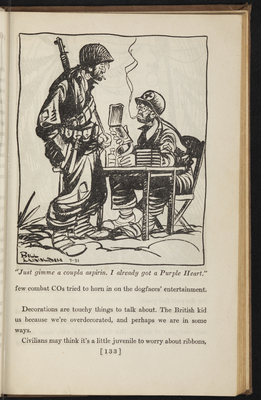
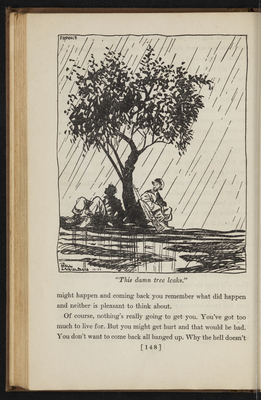
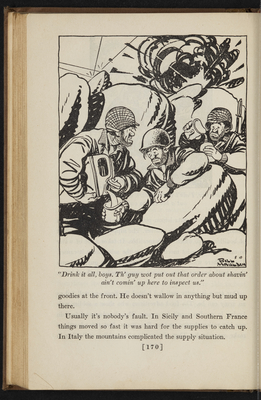
Other cartoonists used their pen to create comics from the front lines. Bill Mauldin was an amateur cartoonist when he enlisted in the Arizona National Guard shortly before it became federalized, which made Mauldin a soldier in active duty. He volunteered to draw for his unit’s newspaper, where he created a hit cartoon featuring two characters named Willie and Joe facing life in the infantry and on the front lines. The cartoon was later published in Stars and Stripes and 45th Division News, both popular military newspapers.
Mauldin received praise from much of the military, who found that the strip was an excellent way to vent their shared frustrations with life in the frontlines. The cartoon spoke to the less glamorous aspects of war, depicting the title characters in mud or in the rain, often contemplating the war and their place in it. After the war, Mauldin received a Legion of Merit medal for his publication.
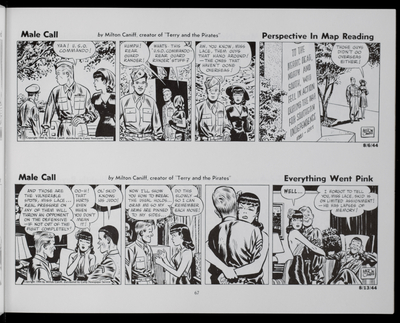
Male Call
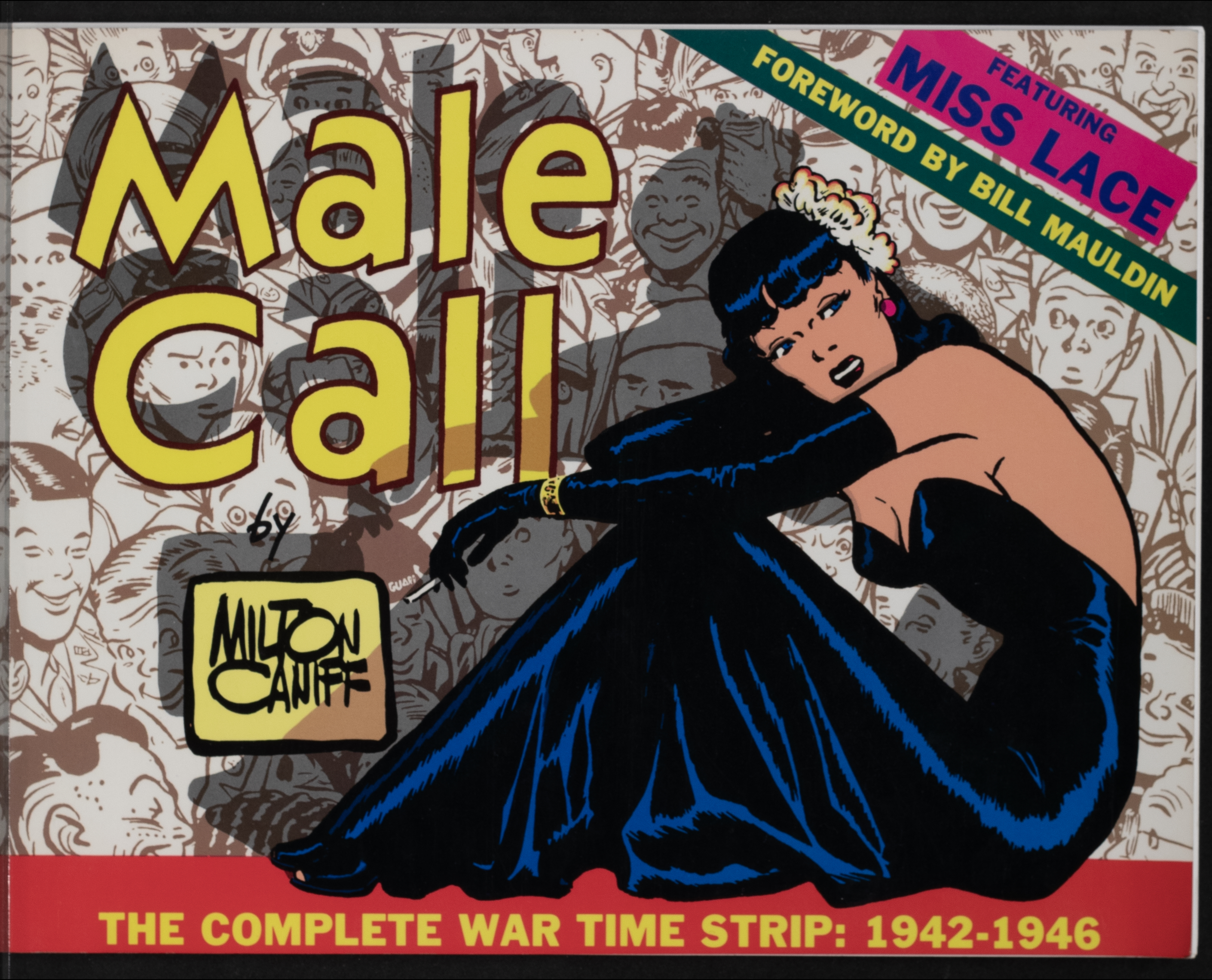
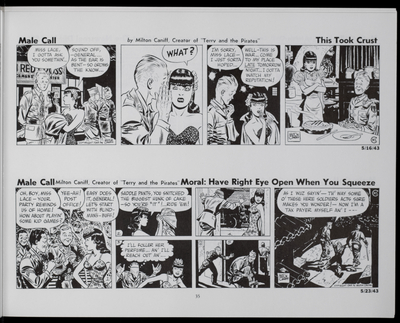
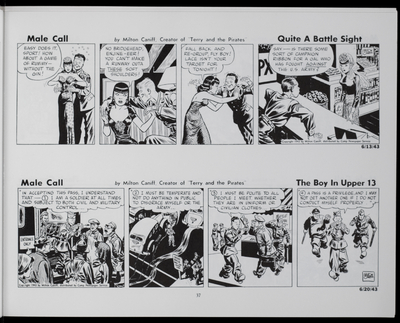
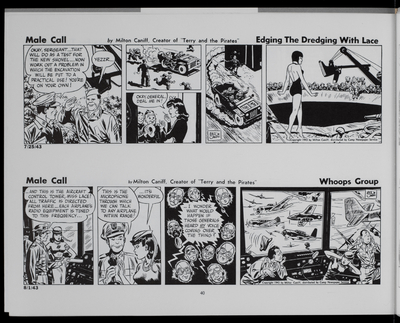
Similarly, Milton Caniff, popular at the time for Terry and the Pirates, was working as a cartoonist when he was drafted in 1943, though he was declared unfit for service due to a chronic illness. However, Caniff still found a way to contribute to the war effort, creating the popular Male Call, which he made exclusively for military publications. Caniff drew the comic for free as a means of providing a moral boost to the soldiers through this comedic/satirical newspaper cartoon. The strip starred the seductive pin-up girl Miss Lace, who was sexy, classy, and referred to any soldier she came across by “General,” regardless of their position. Miss Lace generated a sense of pride in each soldier she interacted with, which was reflected in the readers of the cartoon.