WWII Comic Arts and Propaganda
Introduction

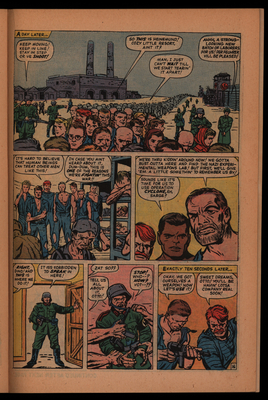
During World War II, Americans were witnessing the extreme forms of propaganda taking place in Nazi-occupied Europe and the far East. As a result, propaganda was deemed as entirely undemocratic and pointedly un-American. However, the United States was at war, and in a country advanced in the circulation of mass media, pop culture became a means of promoting the war effort to the people. Rising quickly through the ranks of popular media, cartoons and comic books provided the perfect platform to promote pro-American rhetoric to the public under the guise of entertainment.
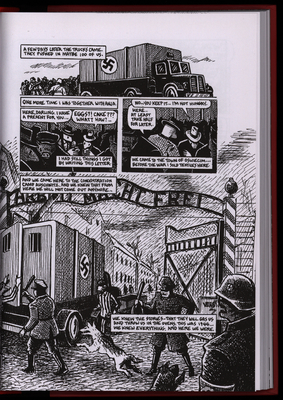
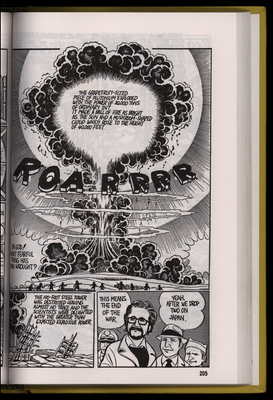
The success and popularity of comic books in the last century can be attributed to the fluctuating state of American culture and politics, as the artform relies heavily on the reception and demands of its audience. As perceptions of the war shifted, so did the medium, transitioning from single-panel political commentaries to monthly comic periodicals over the course of the twentieth century. After the war, the artform transtitioned into graphic novels, which became a means of processing the events of World War II. Art Spiegelman, creator of Maus, claims that comic formats reflect the way the human brain processes information: “People think in iconographic images, not in holograms, and people think in bursts of language, not in paragraphs” (Spiegelman). Therefore, graphic novels, along with cartoons and comics, are able to share information about the human experience that can accessibly interact with an audience.
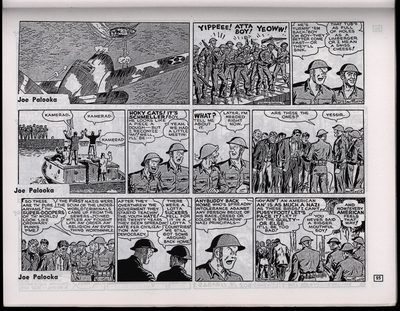
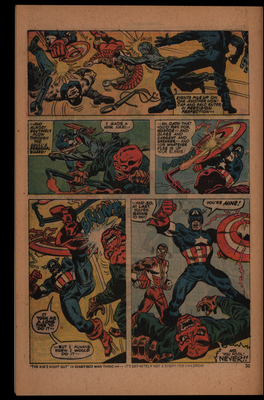
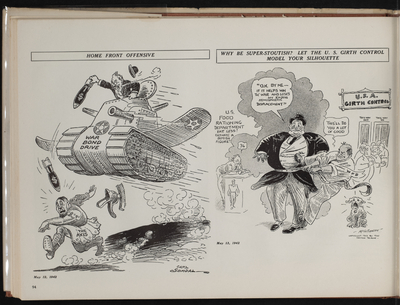
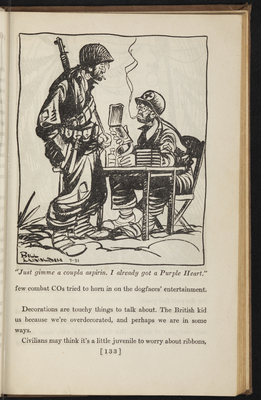
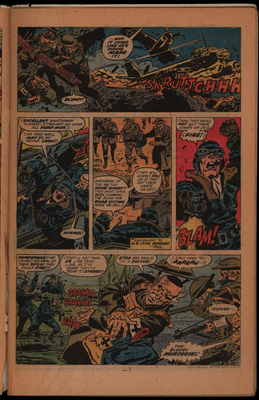
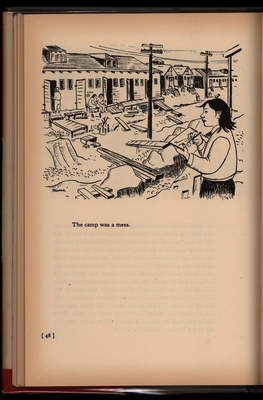
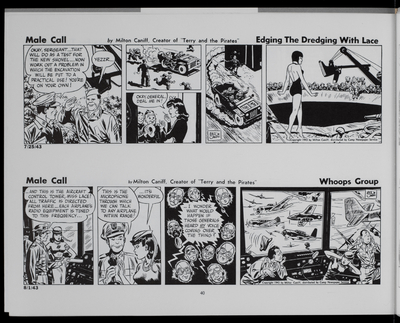
This exhibit explores the progression of comic formats in their relation to World War II in selected comic arts materials held by Mizzou Libraries Special Collections. The exhibit interprets topics such as the use of the medium as a source for political outreach, entertainment for soldiers, propaganda for the US military, and reflection on the lasting effects of the war.
This exhibit was curated in Spring 2026 by Scarlett Jones as a component of ENGLSH 4940, an English Department internship at the University of Missouri Libraries' Special Collections.
This exhibit contains some images, language, and/or descriptions related to war, violence, and human suffering. Some material may be disturbing or emotionally challenging to viewers.