2026 Reading Challenge: October Recap and November Preview

In October, we challenged you to read a Banned Book in honor of Banned Books Week in October. Our October winner is Suhwon Lee who won their choice of a Mizzou or a bookish prize. To be eligible for the prize drawing, make sure to read a book that fits the month’s theme and then tell us about it.

We are excited to see all the classic books you choose to read in November.  Need some suggestions? The student organization Leading Through Literacy recommended a few classics. Leading Through Literacy is a Mizzou student group focused on empowering others through the use of reading and writing.

You can view the list at this link: https://libraryguides.missouri.edu/c.php?g=1537064&p=11522812#s-lg-box-wrapper-42592180

Congratulations to everyone who participated in the October reading challenge. Here are some of the titles you read last month:
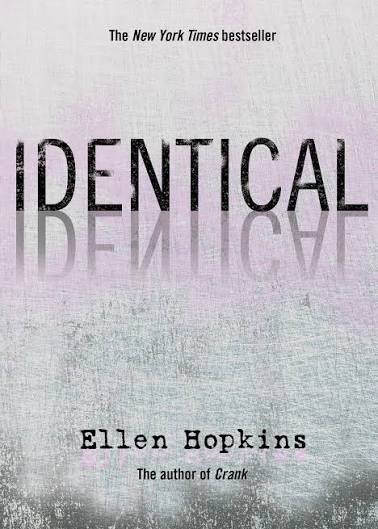
Identical

“I chose Identical because it appeared on an ALA list of The Most Challenged Books of 2025. The story is written from the voice of two identical twin sisters, who have been sexually abused by a father who was also sexually abused as a child. The reader makes a surprising realization about the sisters. This book is heartbreaking and reminds us of the unthinkable ways children can be damaged at the hands of those who should be protecting them.” – Nicolette
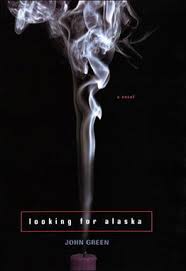
 

Looking for Alaska

“What stayed with me most after reading Looking for Alaska was the idea that some questions don’t have satisfying answers. I appreciated how the characters struggled with loss in very human and imperfect ways. Going into this book, I expected a coming-of-age story, but I found it to be a deeper reflection on friendship, loss, and the search for meaning. The characters made mistakes, hurt each other, and wrestled with difficult emotions in ways that felt authentic. I found myself reflecting on the way we deal with guilt, grief, and unanswered questions. The book doesn’t offer easy answers, but it reminds us that moving forward is possible even when life doesn’t make sense. The book left me reflecting on how we remember people and how those memories shape us.” – Suzanne
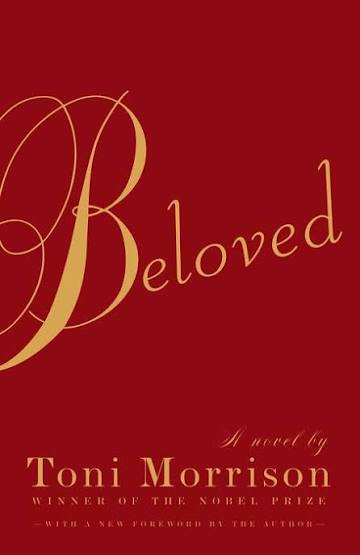
 

Beloved

“Toni Morrison is so specific with her words and her prose and yet it feels so loose. Incredible book that I feel like I don’t have the exact words to describe but it really moved me. Definitely going to linger in my mind for quite a while.” – Jay


You can see more of the books read in October at this link: https://libraryguides.missouri.edu/c.php?g=1537064&p=11695410#s-lg-box-wrapper-43310327
TAGS:

Taira Meadowcroft

Taira Meadowcroft is the Public Health and Community Engagement Librarian at the Health Sciences Library at the University of Missouri.

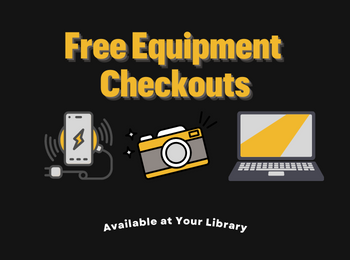
Free Equipment Checkout

Did you leave your laptop at home? Forgot your phone charger? Need a camera? The Checkout Desk at your library can help you out. A list of the available equipment can be found here. All equipment is available with your student ID. Materials can be renewed in person at the desk. There is a $2 fine for every hour it is returned late.

So, the next time you are studying all day at the library and your phone dies, don’t worry! Just head over to the Checkout Desk at your library.

Covidence Access for Mizzou Faculty Conducting Research

Mizzou Libraries is pleased to provide access to Covidence for Mizzou faculty conducting research through our Covidence pilot. Covidence is a nonprofit, cloud-based platform that streamlines the systematic review process by helping researchers collect, screen and synthesize scientific evidence more efficiently. 

The benefits of Covidence include: 

  • Faster reviews
  • Easy to use
  • Seamless collaboration for teams

The pilot has a limited number of projects available.  To get access to Covidence, you must meet with a librarian for a consultation. Fill out the evidence synthesis request form, and your librarian will schedule a meeting with you.  

For information about the library’s evidence synthesis service, see our Evidence Synthesis Guide.  

TAGS:

Taira Meadowcroft

Taira Meadowcroft is the Public Health and Community Engagement Librarian at the Health Sciences Library at the University of Missouri.

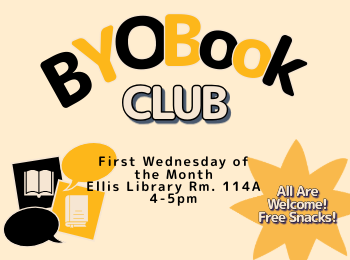
BYOBook Club at Mizzou Libraries

Do you want to join a book club but prefer to choose your own book?

Join us at BYOBook Club! Read any book for the month’s (optional) prompt and chat with other readers about what you chose. This is a great way to discover new books and authors—or rant about pesky plot holes.

  • November 4th – New perspectives (book from a language/culture/POV different from you)
  • December 2nd – Resistance! (fiction or nonfiction)

You can find book recommendations and more on our BYOBook Club guide: libraryguides.missouri.edu/byobook-club

This club is sponsored by Mizzou Libraries Outreach and Engagement Committee.

Registration is encouraged but not required.

Watch Out for Fake Citations from ChatGPT

ChatGPT, one of the most popular artificial intelligence (AI) chatbots, uses a language model to respond to questions and compose various written content. Many college students use ChatGPT to help them complete assignments. While there are times when this can be helpful, it has limitations as a reliable research assistant. One thing you need to watch out for is that ChatGPT will sometimes “hallucinate” (fabricate) citations. The citations may sound legitimate and scholarly, but they are not real. If you try to find these sources through Google or the library, you will search in vain.

If you need help finding resources on a topic, just Ask a Librarian to help you find real resources so you can be successful on your next assignment!

Build Your Research Identity with ORCID

Your research is important and we want to help you ensure it is making an impact. ORCID is a great way to start increasing your research impact with minimal effort.

What is ORCID?

An ORCID is a permanent unique identifier for researchers. Using your ORCID is more accurate and secure than a name: many people can have the same name but each ORCID is unique. They protect your unique scholarly identity and help you keep your publication record up-to-date with very little effort.

Why should you get an ORCID?

ORCID’s are permanent and will follow you throughout your entire career.

ORCID is increasingly used by individuals (e.g. as a signature in emails) and systems (e.g. in Scopus, PubMed), enabling recognition and discoverability.

ORCID automatically updates your profile from other systems – saving you time.

ORCID is unique to you.

How to get an ORCID ID?

Here is a detailed explanation of how to get your ORCID started. Reach out to the library for help!

home Gateway Carousel, J. Otto Lottes Health Sciences Library, Resources and Services Increase Your Scholarly Impact: Use the SPARC Author Addendum

Increase Your Scholarly Impact: Use the SPARC Author Addendum

Your article was recently accepted for publication and you want to make sure your research has the widest reach and impact. One way to make sure this happens is retaining your author rights.

Traditional publishing agreements sign your copyright away to the publisher, lessening your impact as an author. When you don’t hold your copyright, you might not be allowed to give copies to your class or distribute it among colleagues. And depending on what you sign, you aren’t allowed to put your article on your webpage or in an online depository, further limiting your exposure.

So how do you make sure you retain your copyright? Publishing agreements are negotiable. Know your rights and consider using the SPARC author addendum* to modify your agreement. The SPARC author addendum is a free and legal resource that helps you easily modify your publishing agreement.

Need help or have questions? Visit our know your rights guide or contact your subject librarian.

*The Author Addendum is a free resource developed by SPARC in partnership with Creative Commons, established non-profit organizations that offer a range of copyright options for many different creative endeavors.

Make Your Research Open

At Mizzou Libraries, we’re committed to making access to research more sustainable, affordable and open. And we need your help!

In traditional publishing models, scholars surrender their copyright to commercial publishers in order to disseminate their research findings in scholarly journals. Publishers then sell or rent that same content back to the institution through journal subscriptions—at ever increasing prices. This unsustainable practice costs institutions millions of dollars every year and creates barriers to access for many. Open access publishing encourages scholars to retain their rights and make their work freely available online, increasing the availability and impact of research.  

What You Can Do:  

Retain Your Rights: No matter where you publish, the single most important thing you can do to make scholarly publishing more sustainable and equitable is Retain Your Rights. It’s your copyright – don’t just sign it away! Contracts are often negotiable. And read those agreements: you may have more rights to share your research than you realize.  

Know Your Options: Choose the right venue for your research and know your open access options. If you’re an editor or manuscript reviewer, ask about the journal’s OA options. 

Share Your Work: Deposit your research in MOspace, MU’s Digital Institutional Repository. Submitting your work to MOspace is easy. Just log in with your SSO and complete the Creative Commons license.

Learn More: Talk with your Subject Specialist about open access in your area or request a Zoom workshop for your department, team or lab. 

home Gateway Carousel, J. Otto Lottes Health Sciences Library, Resources and Services Publish Open Access for Free With Read & Publish Agreements

Publish Open Access for Free With Read & Publish Agreements

Publishing open access is a great way to keep research open and retain your copyright. We do understand that publishing open access comes with a financial commitment that you wouldn’t necessarily have with traditional publishing.

To help offset costs, Mizzou Libraries has agreements with several publishers that offer discounts and support of article processing charges (APCs) for the following journals.

Want to learn more? Talk with your subject librarian about open access in your area.