Music Magazines, Samir Husni Collection
Subgenre in 90s-2000s Music
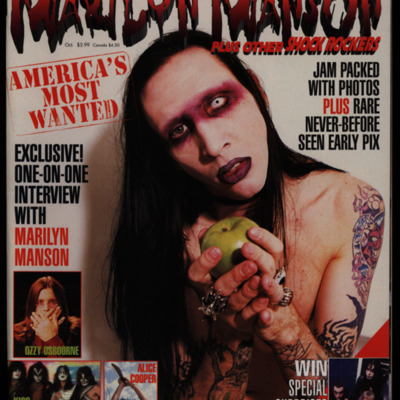
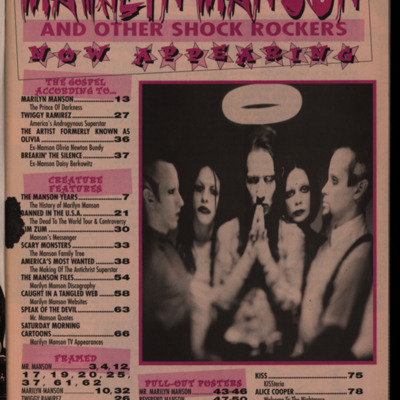
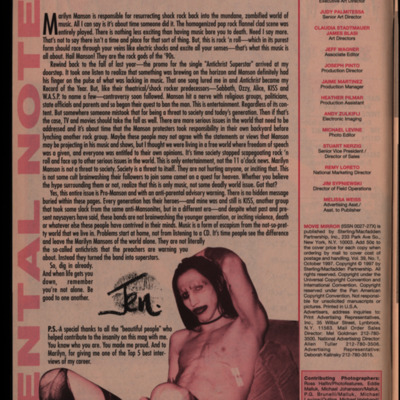
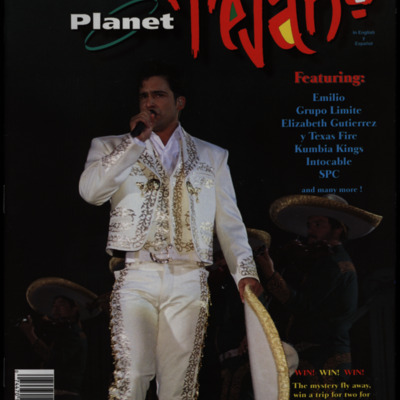
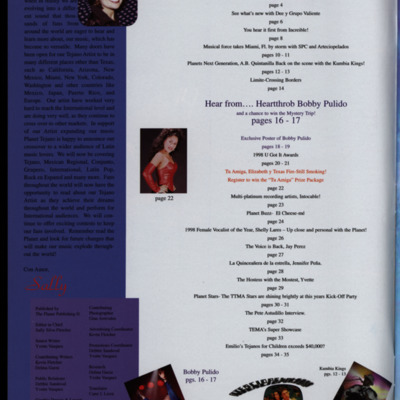
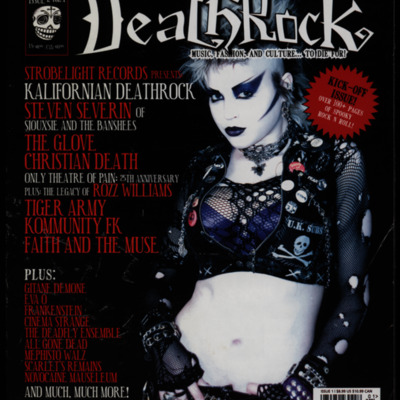
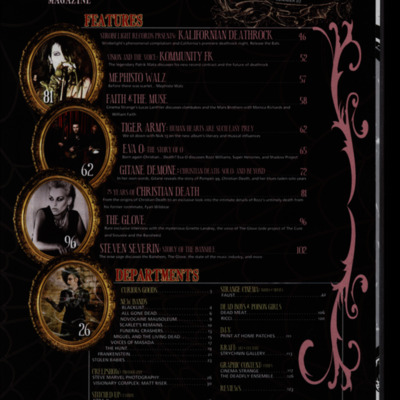
The music industry by the 90s had firmly established umbrella genres like rock and roll, Latin, pop, and more; therefore throughout these three decades the proliferation of subgenres began to be reflected in magazines as well. Magazines like Movie Mirror Presents were focused on specific artists and their contemporaries, such as the October 1997 issue which highlights shock rock musician Marilyn Manson and other bands popular at the time. Genres like Latin could now be divided by geography, as seen in the Planet Tejano focusing specifically on the Southwestern Tejano music scene. These subcategories within genre did not stop with just listening preferences, the outfits and cultures were unique too. This distinction between subgenres is exhibited in the DeathRock magazine which features not just musicians but everything a death rock enthusiast would need to show off their love for the genre like fashion tips, home project ideas, and reviews of movies and books that reflect the death rock genre.
These magazines reflect not only the shifting music industry but also how enjoying a certain music genre also defined part of the listener's life. Movie Mirror Presents and DeathRock both address how the alternative music, fashion, and lifestyles of their supporters had garnered judgement from people outside of the genre. These magazines exhibit how even for a concept as innocent as music, some listeners claimed moral superiority over others based on music choice alone. These two magazines specifically feature predominantly white artists; Planet Tejano on the other hand features almost exclusively latinx artists. Perhaps this reflects the racialized nature of the music industry; while there were almost certainly death rockers and shock rockers of color, and likely some Tejano musicians who were not latinx, they are not the ones featured in the magazines.
Overall, the genre magazines of this time period reflect both the burgeoning number of subgenres and their listeners, the link between music and lifestyle choices, and how people of certain races were not represented in the genres.