Music Magazines, Samir Husni Collection
The Intersection of Music and Pop Culture
Introduction
From 1990 to 2010 music magazines evolved beyond simple promotional guides; they became a nexus of identity and cultural expression. Publications from this era captured a radical shift in popular culture, where listening to music was inextricably bound to visual iconography and community fandom. As independent Zines and mainstream publications competed for influence, music magazines served as both chroniclers and kingmakers of the industry. These exhibit items represent a crucial era when ink on paper dictated cultural relevance, demonstrating how the music press didn't just document modern culture, it actively helped construct it. Through dynamic photography, artist interviews, and growing digital forums, magazines like Rap Pages, Kingsize, Black Beat Superstar Specials, and Digital Musician fostered "imagined communities" across geographical boundaries, granting these subcultures a shared vocabulary and aesthetic.
Among the featured titles are Kingsize and Rap Pages. Kingsize highlights style and popular culture, while Rap Pages documents the rise of hip-hop through artist interviews, music coverage, and industry news. Black Beat Superstar Specials were published by Black Beat to highlight Black artists, celebrate Black culture, and create community. While out of print, Black Beat continues their presence and mission through their website, social media platforms, and events. Digital Musician: A Complete Guide for Mac and PC symbolizes a specific period where digital software magazines included physical CDs for readers to download software discussed in the issue. Together the magazines in this exhibit demonstrate how music magazines preserve cultural history and provide a window into the people, ideas, and moments that defined their time.
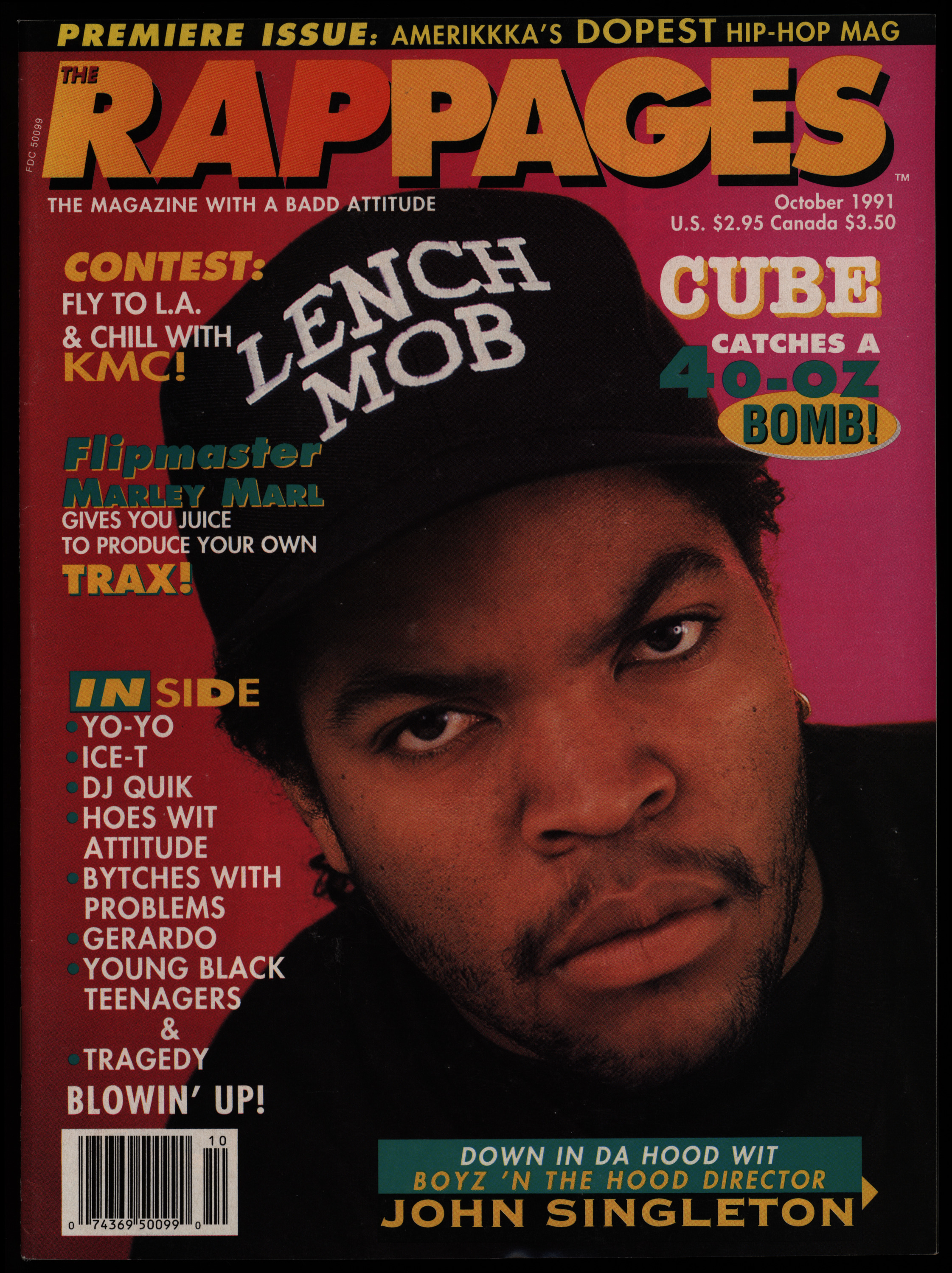
RAP PAGES
The first issue of RAP PAGES was published in October 1991 by L.F.P., Inc. This magazine was created as a publication dedicated exclusively to hip-hop music and culture during a period of rapid growth and mainstream recognition for the genre. The cover features rapper Ice Cube alongside headlines highlighting prominent artists and groups including Lynch Mob, LL Cool J, Yo-Yo, Digital Underground, and others. Published bimonthly, the magazine combined artist interviews, music news, album coverage, and features documenting the evolving rap industry. As the first issue, it serves as an important primary source for studying the state of hip-hop in the early 1990s, reflecting the artists, trends, and black culture that shaped the genre.

Kingsize
Kingsize was a new British magazine that came out in April 2001. This first issue features Fred Durst from Limp Bizkit on the cover, showing how popular rock and nu metal music were at the time. This magazine features interviews with artists like Eminem, Xzibit, and Ozzy Osbourne, along with stories about movies, skateboarding, surfing, and other entertainment. The colorful design and mix of music, sports, and pop culture were made for male adults. This first issue of Kingsize is a great example of male-oriented content and pop culture in Great Britain.
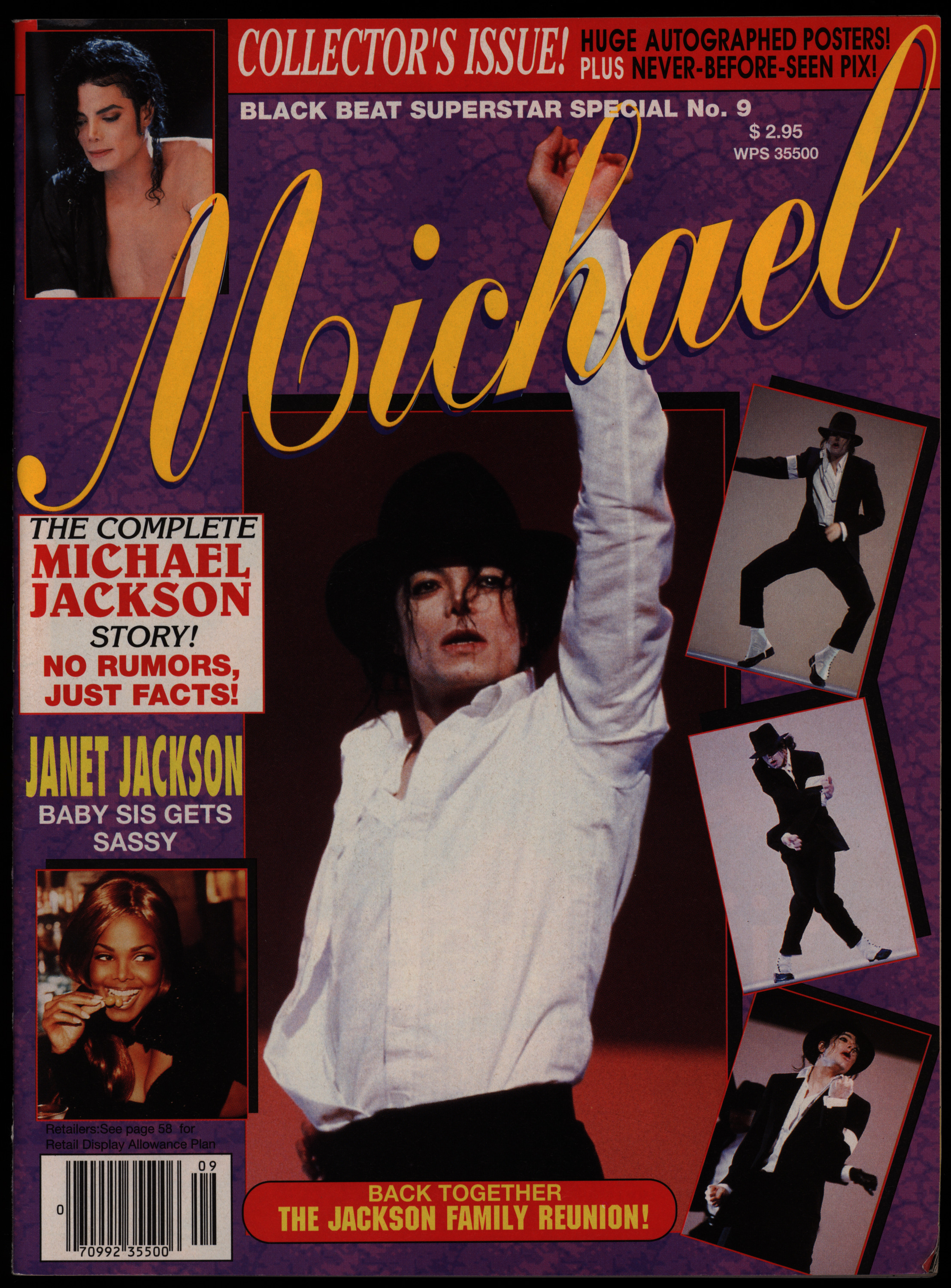
Michael
This issue of Black Beat Superstar Special (#9), titled Michael, was published in 1993 by the Sterling/Macfadden Partnership as a special annual collector’s issue celebrating Michael Jackson and the Jackson family. The cover features vibrant imagery of Michael Jackson performing in his iconic black fedora and white shirt, surrounded by callouts highlighting "The Complete Michael Jackson Story!" alongside features on Janet Jackson and a Jackson family reunion. Inside, the magazine offers articles, photo spreads, and poster-style coverage chronicling Michael's career, dance style, press coverage, and family dynamics—including features on Jermaine, Randy, La Toya, and Janet Jackson’s starring role in Poetic Justice. Editorial leadership was directed by Cynthia Horner, a prominent figure in Black teen and entertainment journalism. Serving as a tribute published during the Dangerous era, this special issue acts as a valuable primary source for documenting pop music journalism, celebrity fandom, and the enduring cultural legacy of the Jackson family in early 1990s media.
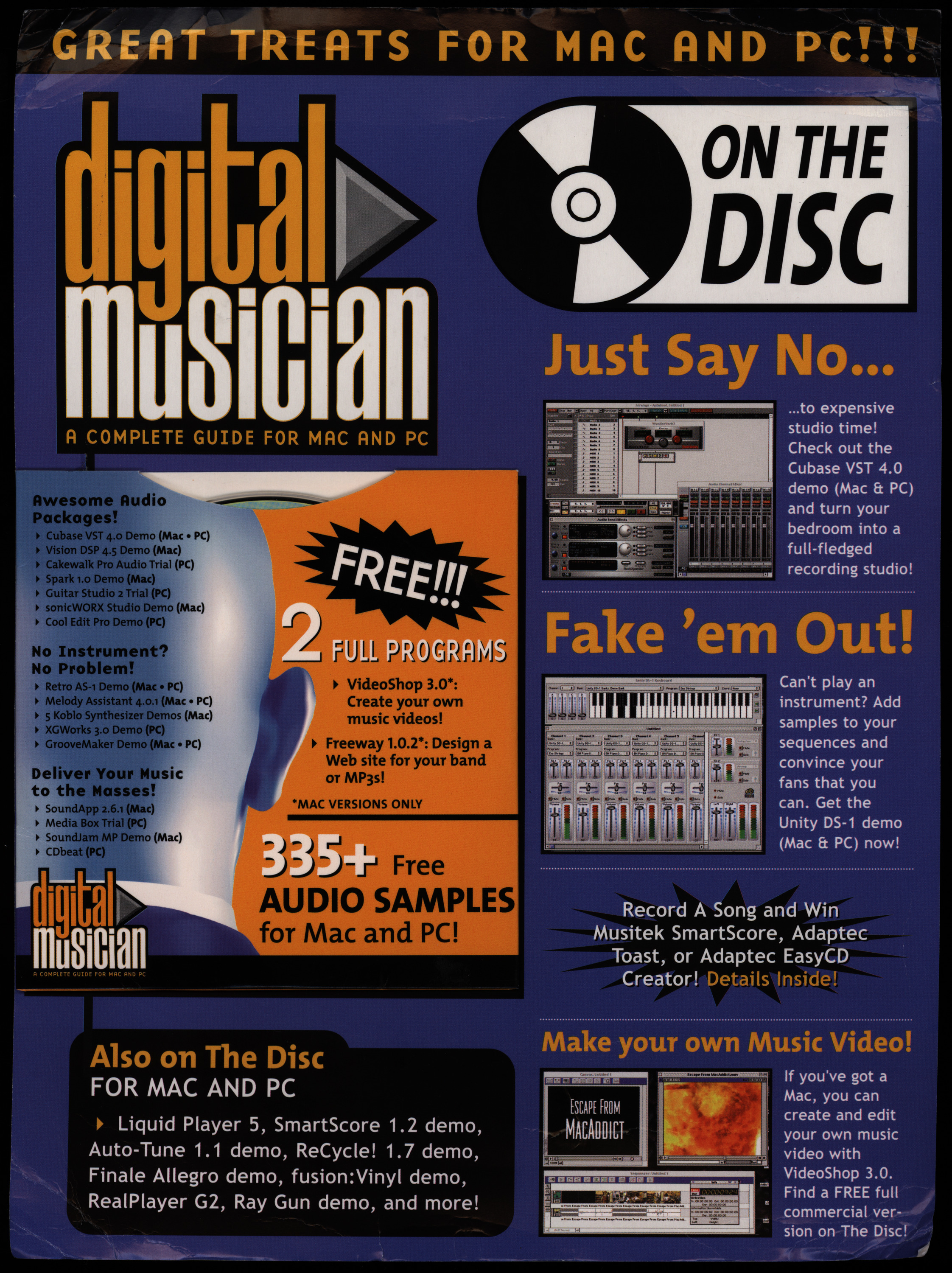
Digital Musician: A Complete Guide for Mac and PC
Digital Musician: A Complete Guide for Mac and PC is a special computer and music production guide published around 2000, designed to help independent musicians and bedroom producers build and operate home recording studios using computer hardware and software. The promotional back cover highlights an accompanying CD-ROM loaded with software demos, audio samples, plug-ins, and full programs, including software such as Cubase VST 4.0, Auto-Tune 1.1, ReCycle! 1.7, Liquid Player 5.0, and VideoShop 3.0. Organised into dual Mac and PC software indexes, the magazine covers categories ranging from composition, notation, and audio conversion to digital signal processing, synthesizers, and multimedia design. Serving as a snapshot of turn-of-the-millennium digital audio technology, this guide acts as a primary source for studying the democratization of home music production, early MP3/digital audio distribution, and the crossover between desktop computing and sound engineering.