Music Magazines, Samir Husni Collection
Genre music of the 80's 90's and 2000's
Introduction
Before the internet, music magazines were the driving force behind social influence and popular culture. These magazines influenced youth culture, fashion, and social identity in ways that extended beyond an individual’s interest in a particular music genre. Music magazines did not just report on music; their inclusion of interviews, reviews, rankings, and social commentary created the framework that defined three distinct generations of music listeners.
The following magazines showcase the cultural differences and significance of genre music in the 80’s, 90’s, and 2000’s.
80’s: In the 80s, we see the visual and aesthetic impact of music magazines. In The Gospel Voice, we see how the image of the musician is used to draw the reader into the publication and how the layout of the magazine clearly states the aesthetic of the genre, thus reinforcing the overall physical look of the musical genre.
90’s: By the 90’s, we began to see the rise in independent magazine publishers. These magazines, such as L.A. Salsa and Street, were started so that more niche music interests and communities could come together. With a published magazine outlining the interests, sounds, and looks of communities, music hotspots such as the Southern California Latinx music scene or the Hip Hop scene of New York can continue to expand in popularity.
2000’s: In the early 2000s, there’s an increase in both the production of music magazines and an increase in technology. The increase in magazines allows for the production of music magazines for specific readers. For example, Batanga Magazine was published with younger Latinx music listeners in mind, and Virtual Instruments was published for those who wanted to utilize new technologies to create their own synthesized music amid the rise in electronic music. With greater utilization of the internet, we also saw traditionally printed publications transitioning to online only access. This allows publications like Paste Magazine to continue their influence on the music and cultural scene of the 2000’s, but now with a wider reach.
These magazines are firstly about music; however, the elements that make up the entirety of the magazine showcase the evolution in both widespread popular culture and the culture in smaller niche music communities.
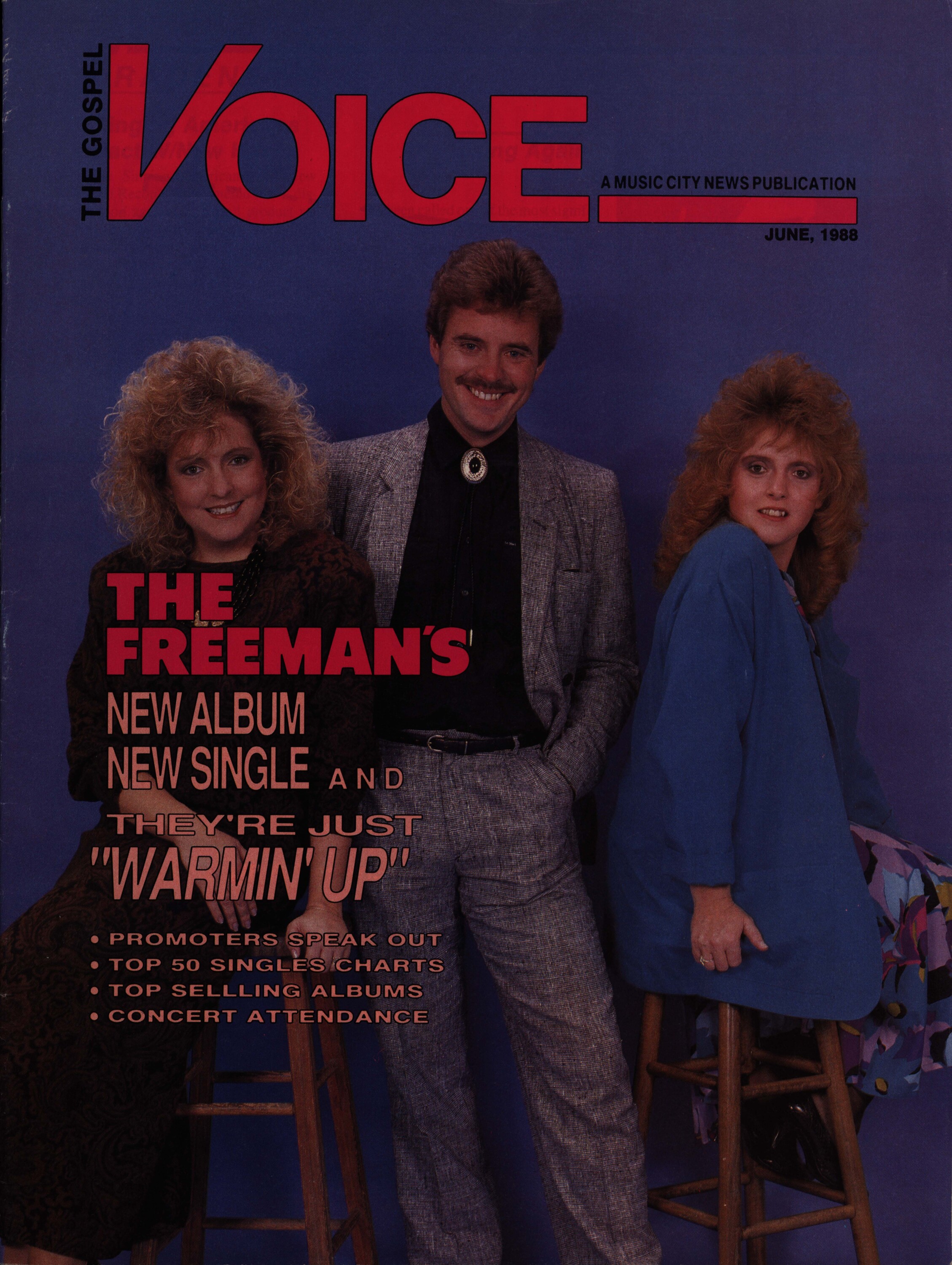
The Gospel Voice (1988)
The Gospel Voice Magazine was a monthly print Christian faith-based and American Southern gospel music publication that featured artist interviews, industry news, and Christian community commentary.
The Gospel Voice Magazine started in 1987 under the Middle Tennessee Publishing Company. It continued through 1991 when its publishers created the Diamond Awards, recognizing the best artists in Southern gospel and Christian country music. The publication continued until 2009 when The Gospel Voice stopped production. But did you know that the Diamond Awards are still awarded today? They are! In 2009, SGN Scoops Digital Media sought to continue what The Gospel Voice started, just in an online format.
This particular issue is from 1988 and features the group The Talley’s and their album For Every Generation.
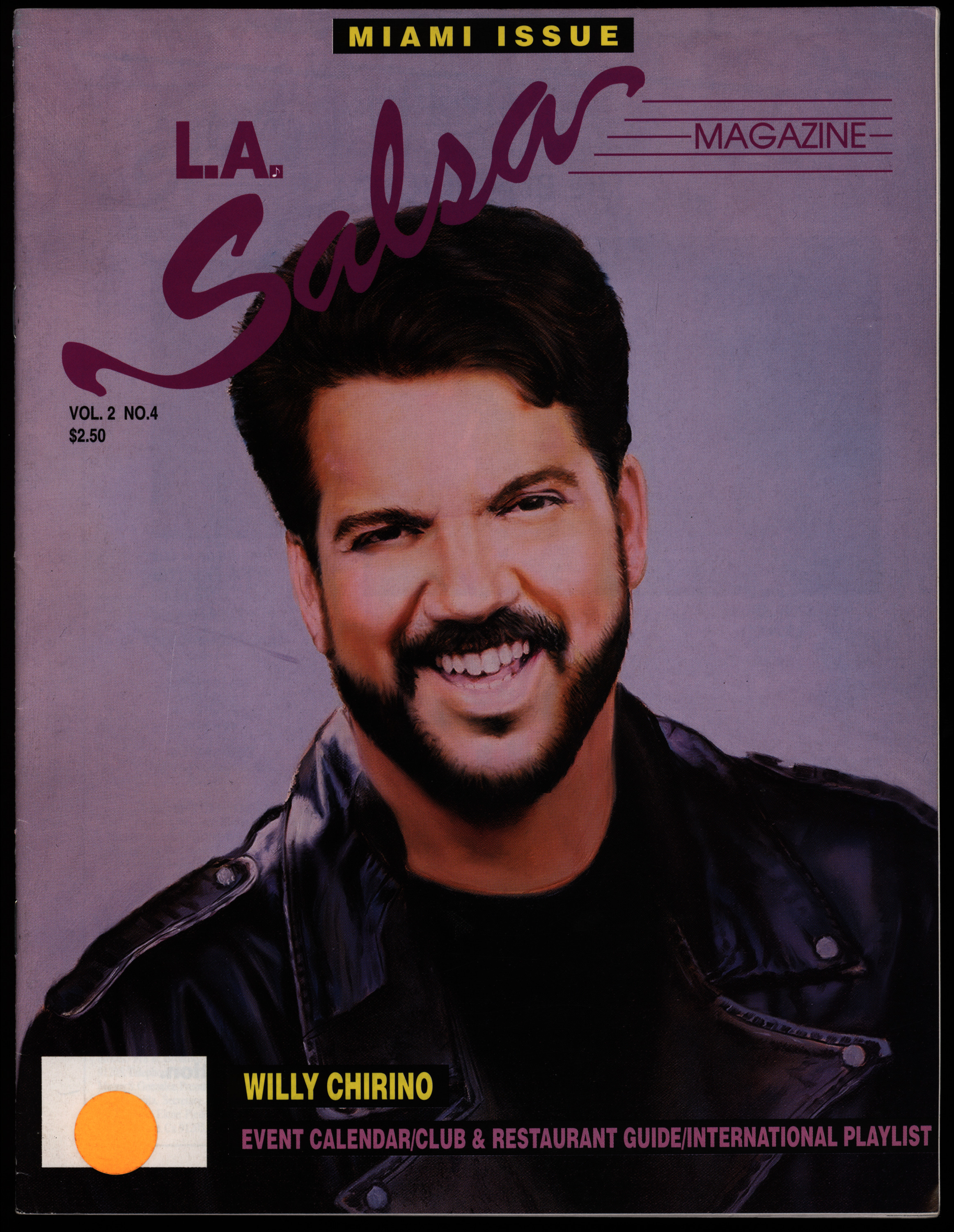
L.A. Salsa (1992)
L.A. Salsa was a Latin music, culture, and lifestyle focused on the Southern California salsa and Latin dance communities of the early 1990s. The first issue of L.A. Salsa was published in 1991, with the last issue published in 1992.
Did you know that this was a fully independent publication? Because of its independent nature and niche audience, it was difficult to ensure the longevity of this publication. However, because of the short run, these few issues have become a hyper-local time capsule of the clubs, restaurants, and bands of Southern California in the early 1990s.
This issue from 1992 was one of, if not the last, published issues of L.A. Salsa to be released to the public.
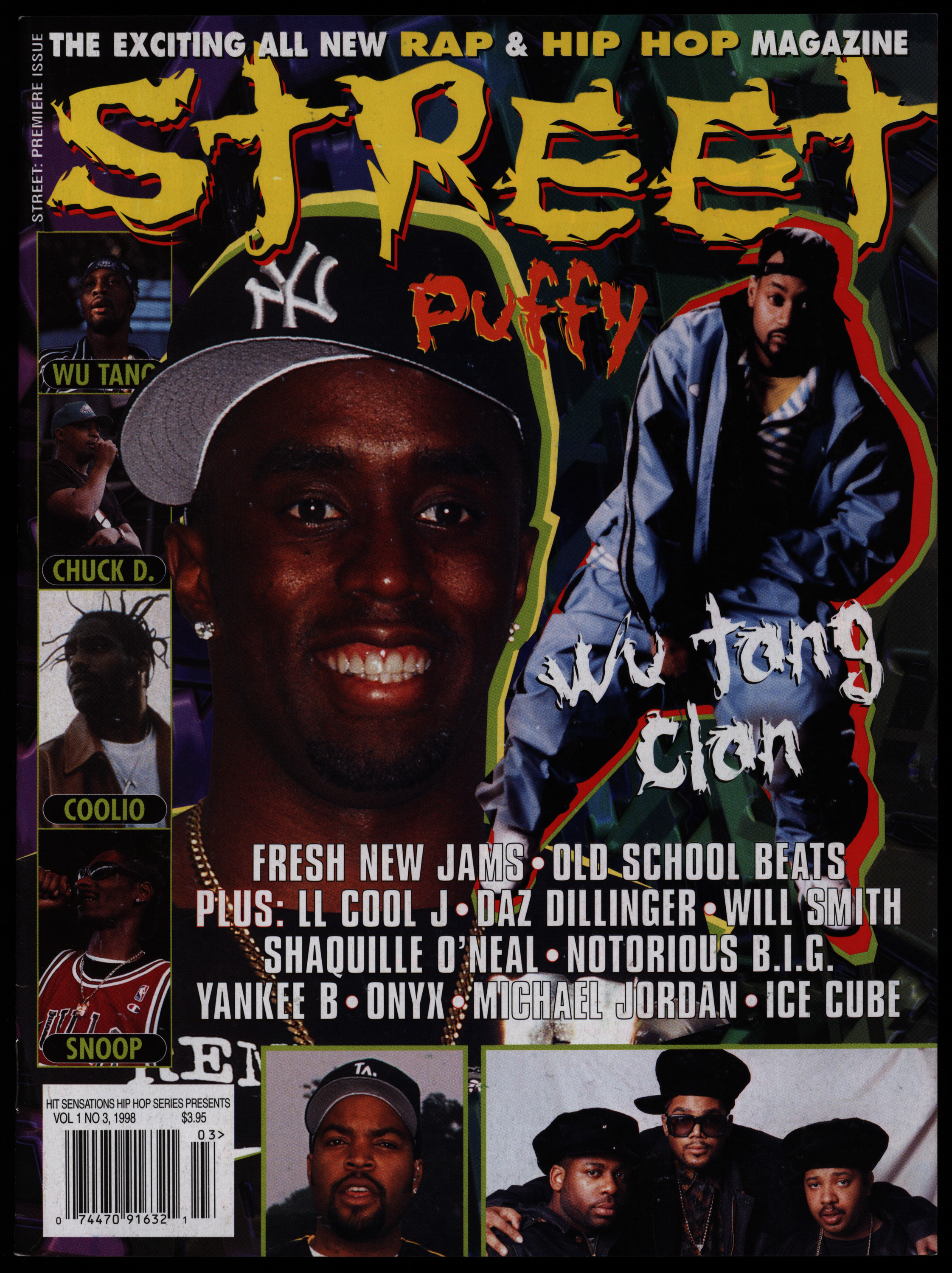
Street (1998)
Street, presented by Hit Sensations Hip Hop Series, was a series of Hip Hop and Rap magazines published throughout the 1990s by Fanzine Inc. Fanzine Inc. was originally an independent publisher that was later bought by MGM.
Street came out in a year when the popularity of rap music was at an all-time high, with rap music sales increasing by 31 percent from the previous year. This particular magazine was published the same year that Metro Global Media Inc bought Fanzine Inc. The main cover features some of the big names in rap, including the Wu Tang Clan and Puffy, now known as Diddy.
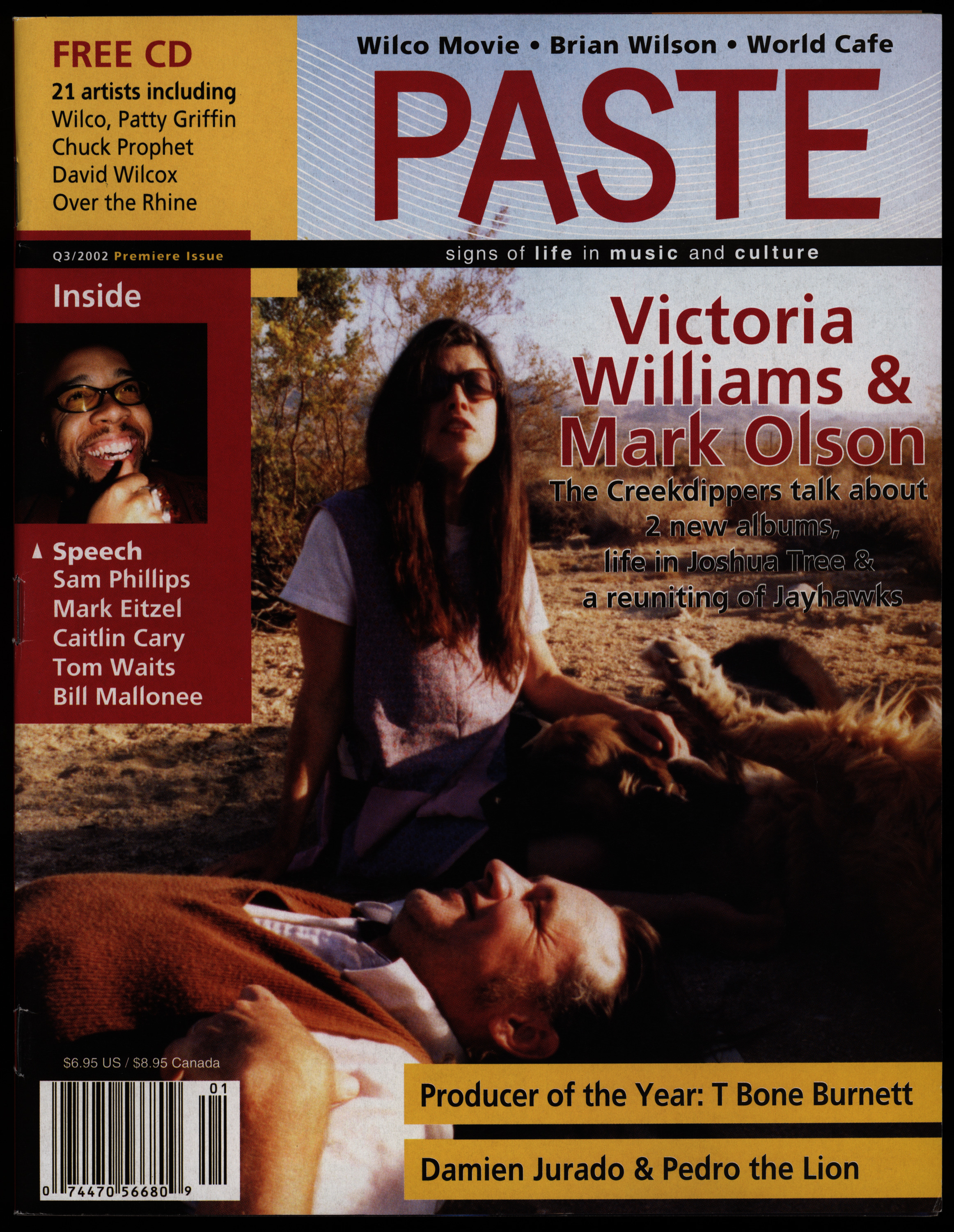
Paste Magazine (2002)
Paste Magazine is currently an American monthly music and entertainment publication owned and operated by Paste Media Group. Since 2006, Paste Magazine has highlighted its album of the year in music, which has included artists like David Bowie, Fiona Apple, Frank Ocean, and Bon Iver. This 2002 issue features the work of Producer T-Bone Burnett in the current music scene.
Paste Magazine began as an online publication in 1998; it then transitioned to print in July 2002 and continued quarterly until August 31, 2010. While this magazine is no longer in print, issues are still released monthly on their website: PasteMagazine.com.
Did you know that you could subscribe to Paste in 2002 for $22.95 and you'd be sent four magazines and four CDs with your subscription?
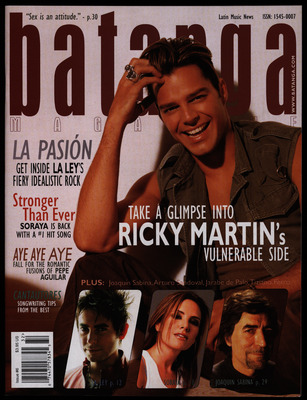
Batanga Magazine (2003)
Batanga Magazine, published by Batanga.com Inc., was a series of magazines targeted towards the younger generation of the Latin music scene. Batanga.com was a part of the larger media conglomerate of Batanga Media, now known as VIX.
This issue in particular was advertised as 48 pages of interviews with the hottest existential pop rock, mariachi fusion, fusion-pop, tango revival, and traditional Mexican artists. Ricky Martin, who was working on his seventh studio album at the time, takes up the majority of photographic real estate. Other famous Latin artists are also featured, including a member of La Ley, Soraya, and Joaquin Sabina. La Ley also in the midst of producing their final studio album, Libertad.
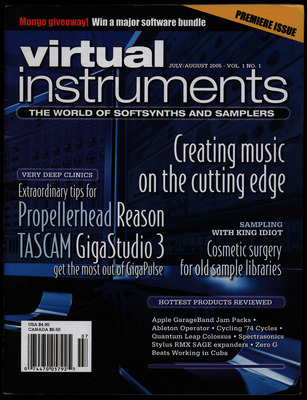
Virtual Instruments: The world of softsynths and samplers (2005)
In 2005, Virtual Instruments advertised that every musician with a computer can now create music and that they were dedicated to helping musicians get the most out of these tools.
This magazine specifically is a copy of the brand's flagship publication. In February 2005, a single issue was sold at 4.95 one year six issue subscription 9.99, and by March 2005 the price went up to 12.95. Additionally, subscribers were given access to download PDF versions of the magazine, which would have been quite the treat back in 2005.