Cooking Magazines, Samir Husni Collection
Calorie Conscious Living
This collection of magazines extends from the early 1980s to the late 1990s and gives us a look into one side of the “calorie conscious” diets. Diet culture is not a new concept; its progression and societal impact are prominently displayed in magazines. These magazines represent a time in American culture where restriction was a key element of dieting.
The 1980s were an era that heavily relied on diets surrounding calorie tracking and restricting as a way to sell certain food, diet pills, and clothes. By telling people, specifically women, that extreme restraint and weight loss were the only ways to better oneself, there was profit to be made. The magazines from this time cover how to count calories “so you can lose the weight to keep it off”, and how to streamline cooking or eating habits to target weight loss.
The 1990s takes calorie counting and rebrands it to “low calorie” and “low fat” recipes. The American government created dietary guidelines that pushed the public to reduce their intake of fat, sugar, salt, and processed foods. This introduced a rise in “guilt free” and “light” cooking trends that still incorporated low calorie and fat recipes. The 90s take a more holistic, balanced turn with a focus on organic, clean eating to reduce calories rather than restriction of nutrients.
There was a nationwide interest in bettering health through healthy eating and the magazines reflect and twist that. With targeted advertisements, personalized stories, and enticing photos of both delicious, quick food and "healthy" and happy people, these magazines create a snapshot of American healthy living to make sure you get all the nutrients you need without jeopardizing the calories. Using celebrities like Suzanne Somers to create a “they’re just like us” campaign was a popular tactic among magazines targeting weight loss.
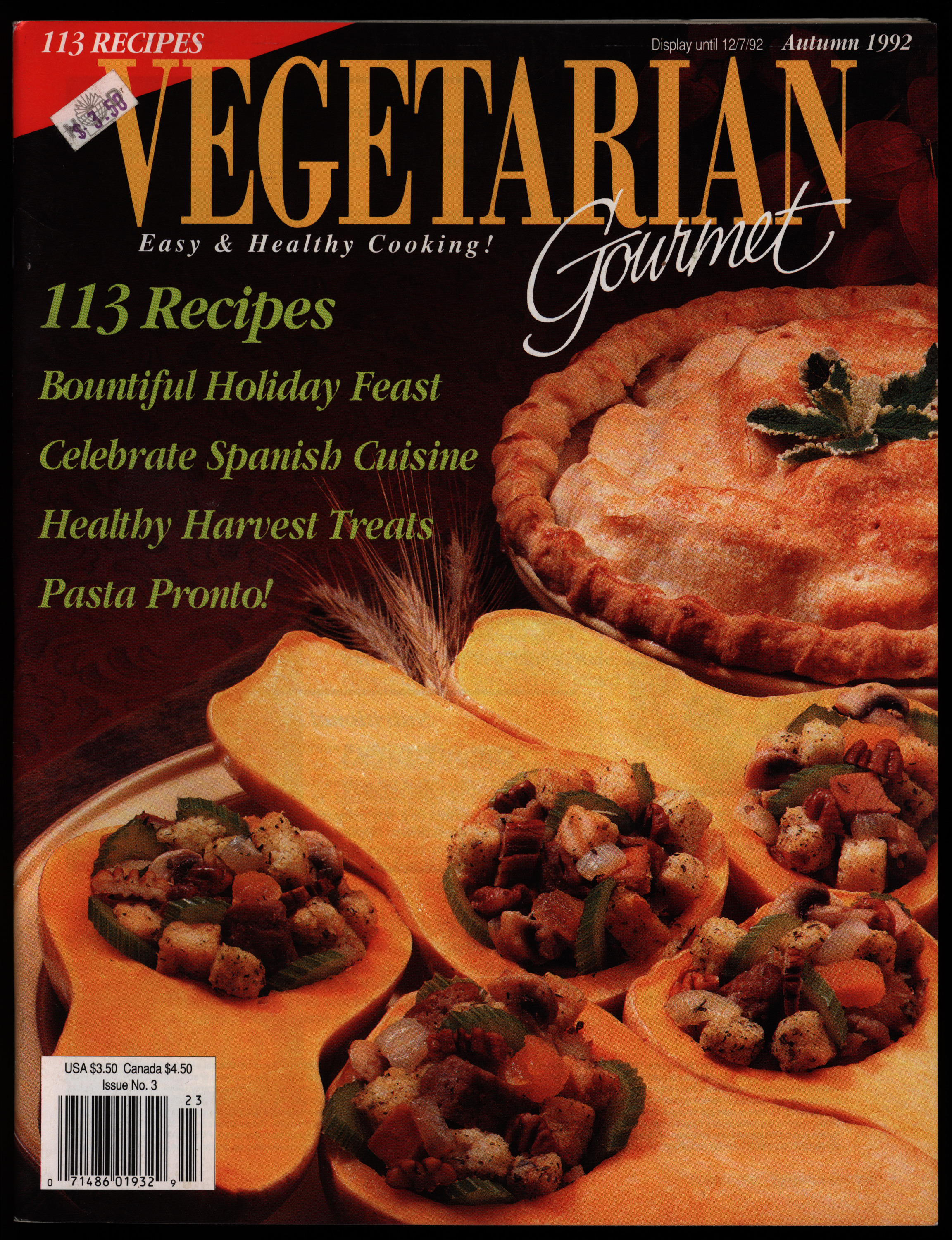
Magazines are a great tool for understanding fads and trends, especially in dieting and food culture. The Autumn 1992 issue of Vegetarian Gourmet is a refined yet understated example of hardy fall-time meals that cater to the "calorie conscious". With a focus on whole grains and fall produce like kale and squash, this magazine shares “113 recipes” while giving insight into why these foods not only taste good, but check off the essential nutrients you need, such as calcium and vitamin D.
This issue shares a twist on the fad diets of the 1990s and shows how they can become healthy lifestyles and that going without meat does not mean you miss out on the essential vitamins and nutrients your body needs. The editor shares a story of her friend’s wedding that was a beautiful display of commitment “to their chosen lifestyle,” with a celebration of vegetarian Spanish cuisine.
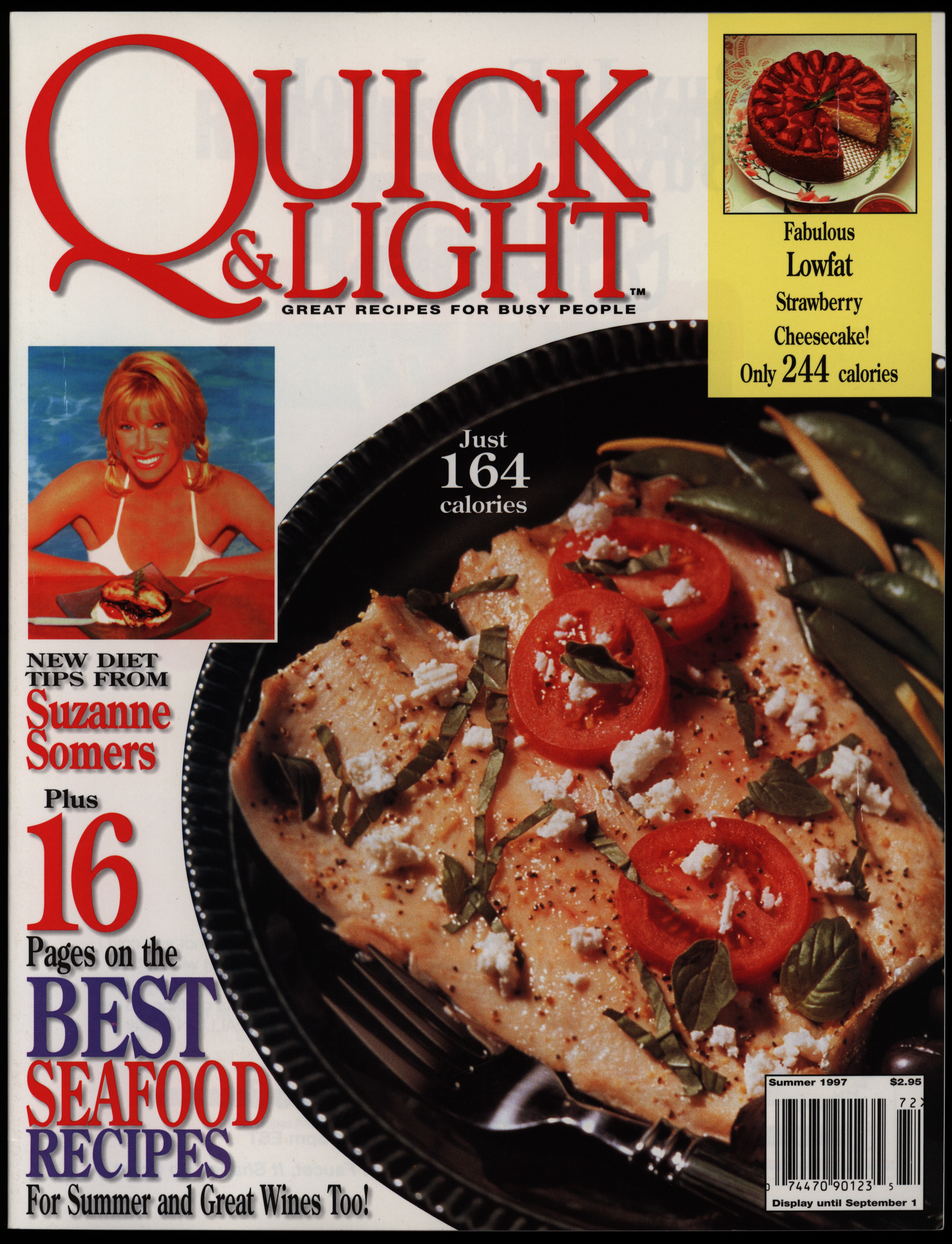
Published in 1997, this inaugural issue of Quick & Light relies heavily on the low fat, low calorie dieting fads that dominated the market at the time. The cover is adorned with a photo of Suzanne Somers, a writer of dieting tips for this issue, eating food poolside in a bikini, ready for the heat. Seeing that this is the summer edition of this magazine there is a major focus on seafood, fruit forward desserts, and wine pairings for all! The recipes provided show that you can still eat dessert, like strawberry cheesecake, without having to compromise the calories.
While there is an abundance of recipes, there are a lot of advice columns and write-ups about traveling and sailing, fitness plans to fit every lifestyle, and "how-tos" for cooking with wine, understanding kitchen gadgets, and controlling your children's eating habits from a variety of authors. Between the recipes and the advice, there is a wide variety of information for busy people trying to better themselves through food and exercise.
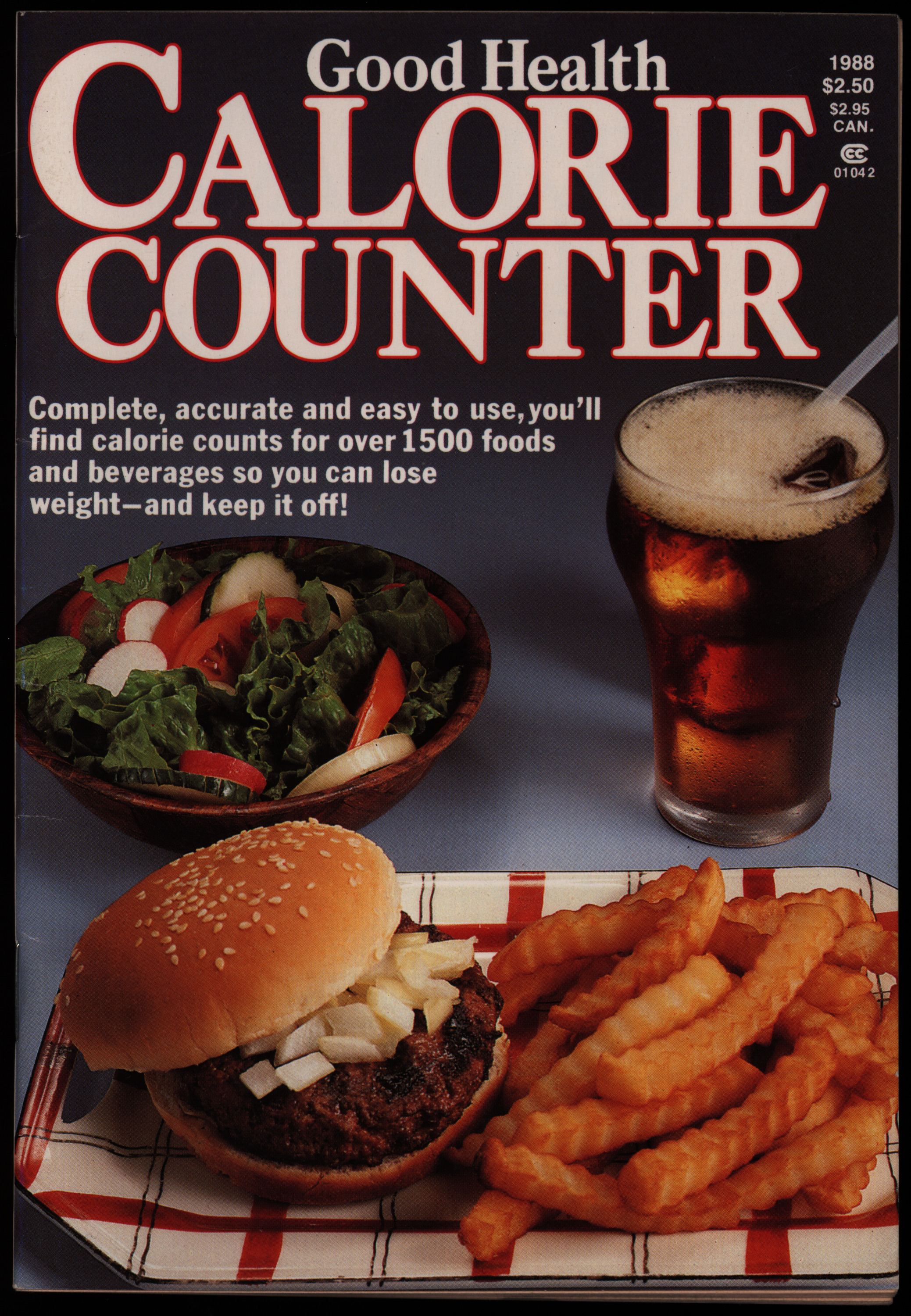
Good Health Calorie Counter (Volume 1, Number 1), published in 1988 by Harris Publications, Inc., is a consumer health magazine created as a reference guide for calorie counting and nutrition. Designed to help readers make informed dietary choices, the magazine contains calorie information for more than 1,500 foods and beverages, organized into easy-to-navigate categories such as fruits, vegetables, meats, dairy products, desserts, fast foods, and condiments. It even feautures calorie counts for meat alternatives and low calorie food enchancers! Its arrangement and layout allow users to quickly locate nutritional information.
Produced during a period of heightened public interest in health, fitness, and weight management, the magazine illustrates the growing demand for accessible nutrition. Its colorful cover, bold typography, and compact format were designed to appeal to a broad consumer audience. The cover photo of a typical American meal consisting of a burger, fries, and soda shows that even an average American can eat the foods they enjoy and lose weight.
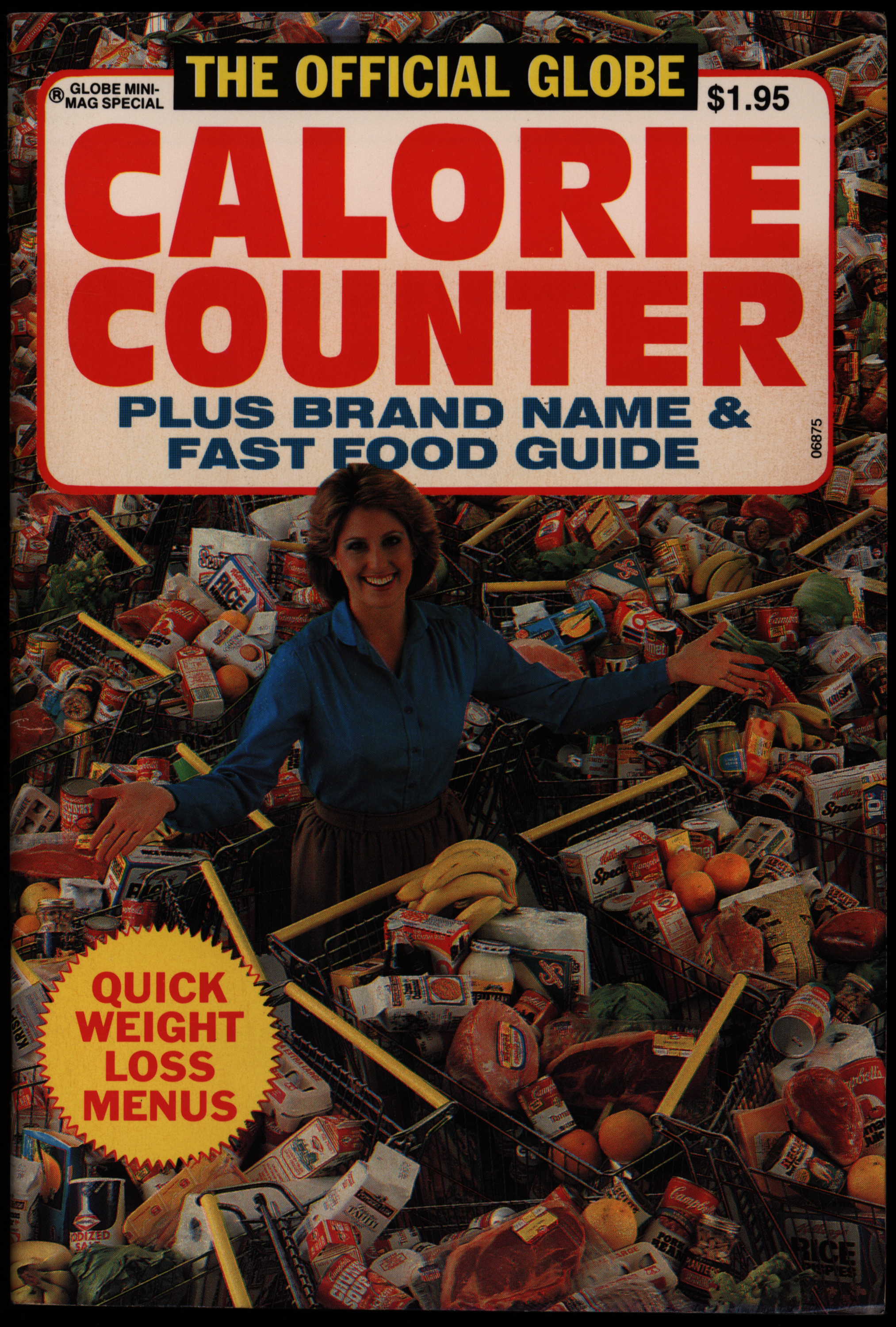
The Official Globe Calorie Counter mini-mag of 1989 is a food magazine published by Globe Communications Corp. Designed for home cooks, grocery shoppers, and health-conscious consumers, the publication combines nutritional guidance with a comprehensive calorie guide for everyday foods. Rather than functioning as a traditional recipe magazine, it serves as a practical culinary reference, providing calorie information for baked goods, cereals, meats, seafood, dairy products, fruits, vegetables, desserts, sauces, condiments, beverages, and fast foods. The guide also includes quick weight-loss menus and a seven-day diet plan, reflecting the strong interest in nutrition and healthy eating during the late twentieth century.
The magazine's colorful cover features overflowing grocery carts filled with fresh produce and packaged foods, visually emphasizing abundance, food choice, and informed eating. Inside, the contents are organized by food category, allowing readers to quickly locate nutritional information while planning meals, comparing ingredients, or making purchasing decisions.