La Corteza
Title
La Corteza
Creator
Tiscareno, Valerie
Abstract
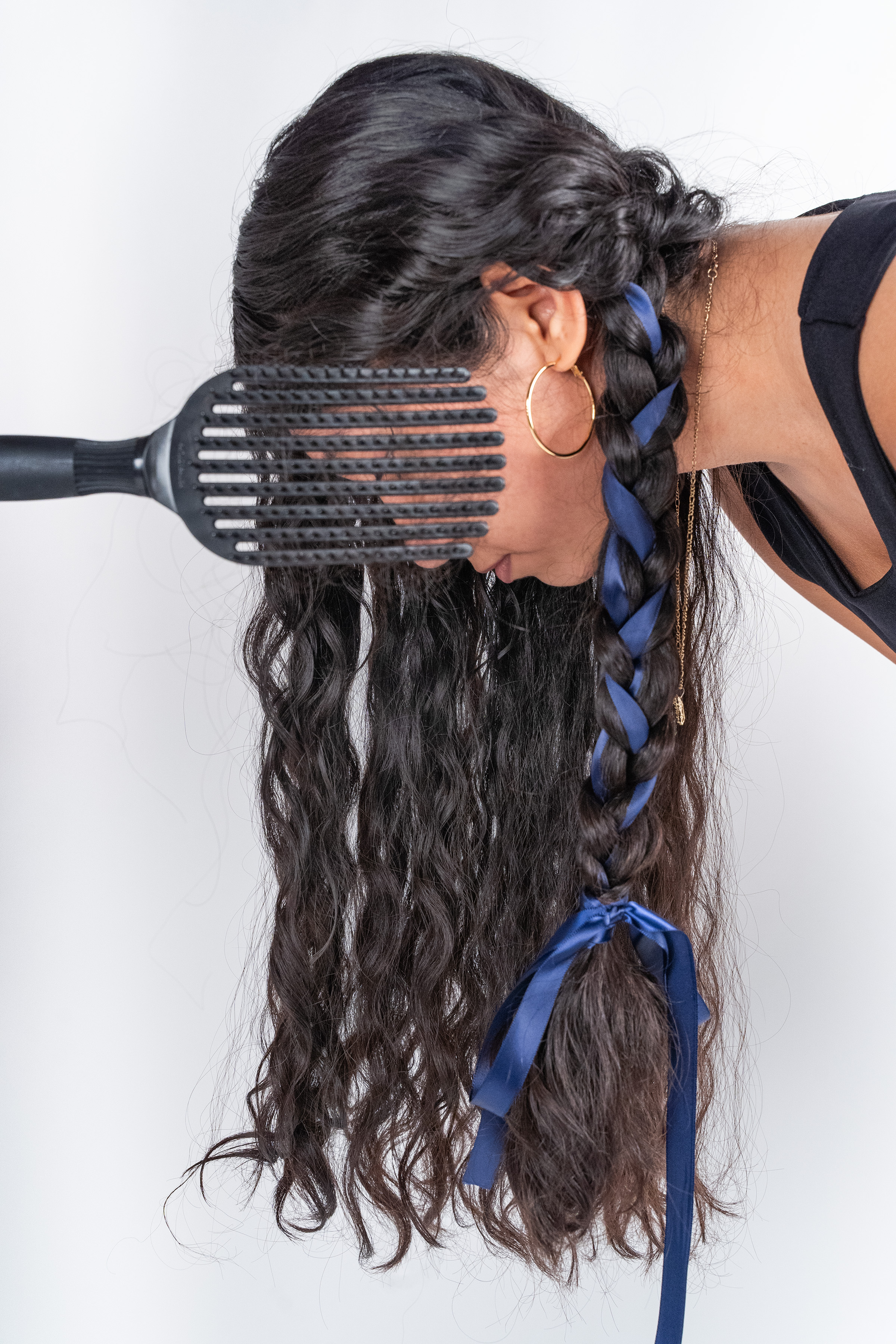
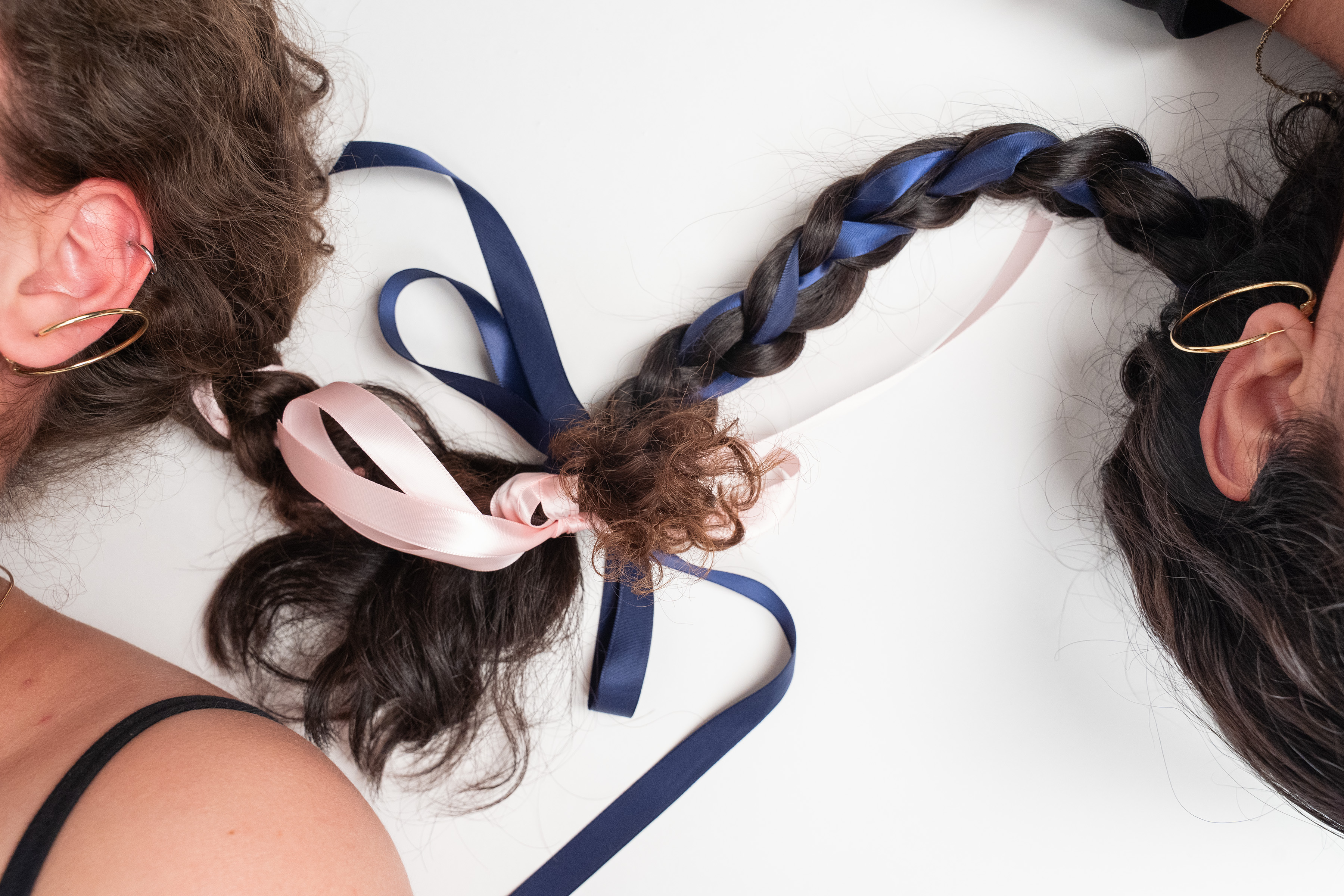
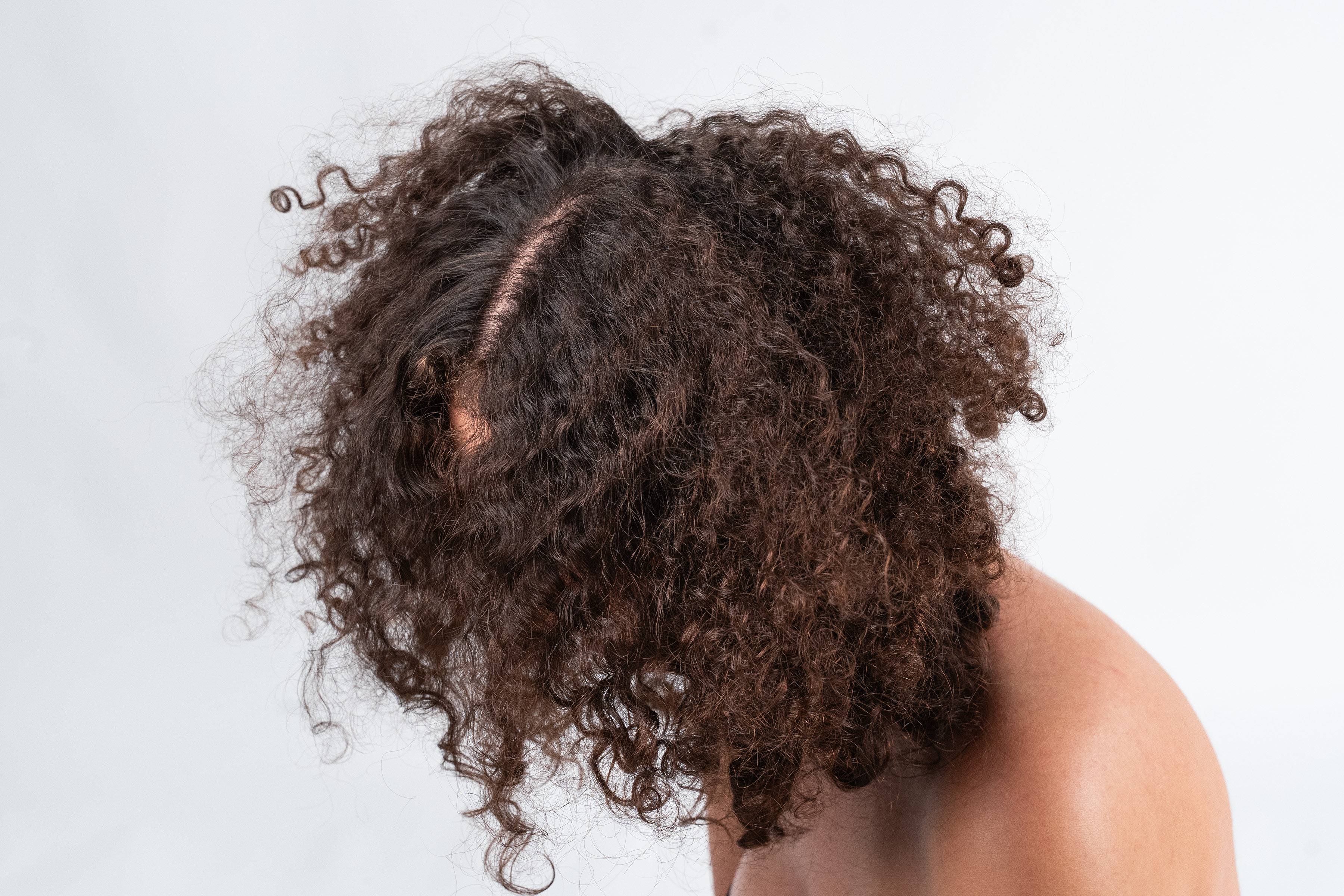
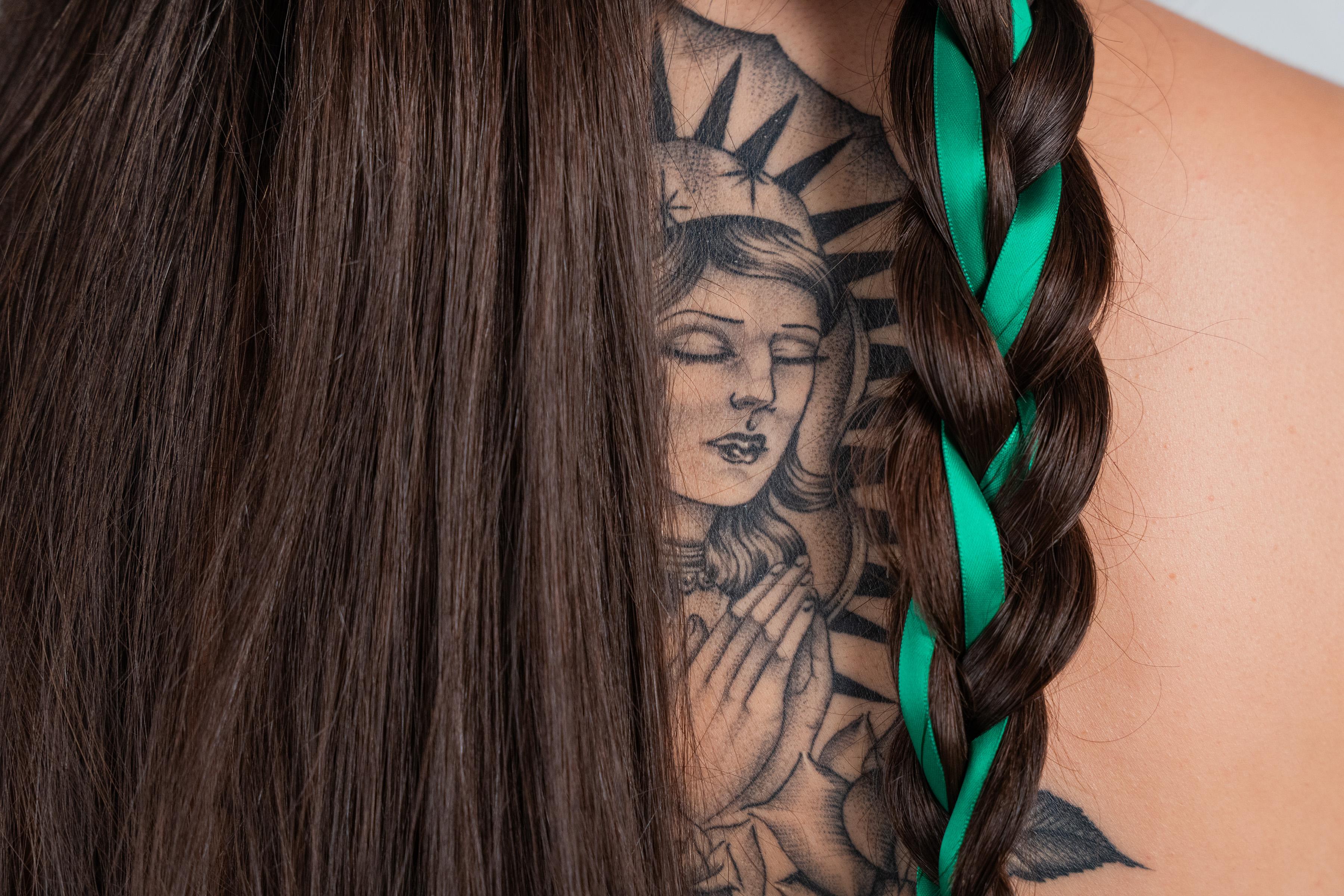
Translates meaning “rind” or “outer layer.” Hair serves as our rind. Throughout this project I explore the dual role hair plays within young Latina women’s lives. Hair acts as both protection and vulnerability, resistance and assimilation. La Corteza, examines the cultural and emotional weight that we carry in each strand.
For many Latinas, hair is an identifier, its texture, color, and length are often points of personal tension. In the United States, Latinas often are pressured to favor Eurocentric beauty standards as means to assimilate. Hair becomes more than appearance but a political act. Where braiding emerges as a meaningful performance of powerful assertion of cultural continuity, resisting erasure and reclaiming visibility.
When invisibility can often feel safer than standing out, these decisions reflect the silent strategies of survival, self-preservation, and resistance. Throughout the making of La Corteza, I interviewed and photographed my participants:
“My hair is typically the only physical mark.”
“When I started embracing my hair is when I felt the most comfortable in my identity.”
“My earliest memory with my hair was asking my mom to style it for me. This was the beginning of an obsession with neatness, which could never be synonymous with natural”
“Being Latin American means balancing both identities... I know I’m both, and I know I’ll never fully be one—and that’s okay.”
These reflections speak to the layered and sometimes painful process of reclaiming culture on our own terms. La Corteza lives in that delicate space between concealment and connection.
For many Latinas, hair is an identifier, its texture, color, and length are often points of personal tension. In the United States, Latinas often are pressured to favor Eurocentric beauty standards as means to assimilate. Hair becomes more than appearance but a political act. Where braiding emerges as a meaningful performance of powerful assertion of cultural continuity, resisting erasure and reclaiming visibility.
When invisibility can often feel safer than standing out, these decisions reflect the silent strategies of survival, self-preservation, and resistance. Throughout the making of La Corteza, I interviewed and photographed my participants:
“My hair is typically the only physical mark.”
“When I started embracing my hair is when I felt the most comfortable in my identity.”
“My earliest memory with my hair was asking my mom to style it for me. This was the beginning of an obsession with neatness, which could never be synonymous with natural”
“Being Latin American means balancing both identities... I know I’m both, and I know I’ll never fully be one—and that’s okay.”
These reflections speak to the layered and sometimes painful process of reclaiming culture on our own terms. La Corteza lives in that delicate space between concealment and connection.
Date
2026
Citation
Tiscareno, Valerie, “La Corteza,” MU Libraries Digital Exhibits and Online Forums, accessed October 20, 2026, https://library.missouri.edu/exhibits/items/show/317.